
Introduction:
When people first hear about the price of this medicine they often feel a wave of worry. The published number looks huge and many wonder how anyone can afford treatment. Yet the real story of uplizna cost is more hopeful than that first sticker shock. Most patients in the United States never pay the full list price because insurance, manufacturer help, and careful planning change the final amount. The drug itself is a powerful monoclonal antibody therapy for people living with hard-to-treat autoimmune conditions, and understanding the true expenses helps families prepare without panic.
Doctors and support teams now guide patients through every step so the financial side does not block needed care. Learning the difference between the official wholesale acquisition cost and what you might actually spend brings peace of mind. With the right information you can focus on feeling better instead of fearing the bill. This guide walks you through every factor that shapes the final number so you know exactly what to expect and how to keep uplizna cost as low as possible.
The real uplizna cost often looks very different from the number printed on paper. This guide explains exactly what people in the United States actually pay and how they can lower that amount.
Uplizna (inebilizumab) belongs to a group called selective immunosuppressants. It is a form of monoclonal antibody therapy that targets specific immune cells. Understanding the full picture of uplizna cost helps you plan better and avoid surprise bills.
What Is Uplizna
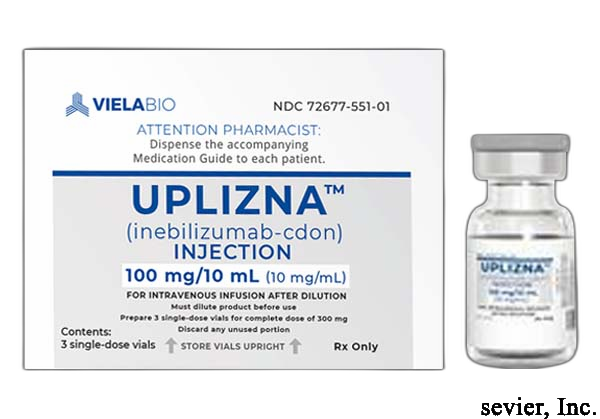
Uplizna (inebilizumab) is an engineered antibody therapy made by Amgen. It works by finding and removing certain immune cells that drive disease. Doctors use it when other treatments do not control symptoms well enough.
This medicine comes as a liquid given through a vein. Most patients receive it in an infusion center. Knowing how the drug works makes the discussion of uplizna cost clearer because the treatment schedule directly affects yearly spending.
Conditions Uplizna Treats
Doctors prescribe Uplizna (inebilizumab) for three main conditions. The first is neuromyelitis optica spectrum disorder. The second is Immunoglobulin G4-related disease. The third is generalized myasthenia gravis in certain antibody-positive patients.
Immunoglobulin G4-related disease is a rare immune system-related condition that can cause inflammation and scarring in organs such as the pancreas, liver and kidneys. About 20,000 people in the United States live with this disease. Each diagnosis can change insurance rules and the final uplizna cost.
How Uplizna Works in the Body
The medicine seeks out CD19+ B cells. These cells carry the CD19+ protein marker. Once the drug attaches, it destroys those cells including plasmablasts and plasma cells. This process is called B-cell depletion.
By lowering the number of these cells, the drug helps quiet an overactive immune system. The result is fewer attacks on healthy tissue. Patients often notice fewer problems over time when the treatment works as planned.
How Uplizna Is Given
Treatment starts with two initial loading doses given two weeks apart. After that, patients receive one dose every six months. Each session lasts about ninety minutes and uses intravenous infusion dosing.
The place where you receive the infusion can change the total bill. Hospital outpatient centers usually charge more than free-standing infusion clinics. These extra facility fees add to the overall uplizna cost beyond the drug price itself.
FDA Approvals for Uplizna
The medicine first received FDA approval in 2020 for neuromyelitis optica spectrum disorder. In 2025 it became the first FDA-approved treatment for Immunoglobulin G4-related disease. Later that same year it gained approval for certain forms of myasthenia gravis.
These new approvals expanded access for many patients. More doctors now feel confident prescribing the drug. Wider use also influences how insurance companies view coverage and the real uplizna cost.
Common Side Effects and Safety Information
The most frequent side effects include urinary tract infection and lymphopenia. Some patients also experience infusion reactions. Doctors check blood counts before each dose to watch for low white cells.
Most side effects stay mild and improve with simple care. Still, monitoring visits and any extra medicines can raise the total money spent. Patients should discuss these possible extra costs when they review their uplizna cost.
Uplizna Cost and Pricing Overview
The official wholesale acquisition cost sits at $140,248.50 per dose. Cash-paying patients may see a similar number near $137,953 for a full set of vials. Year one usually requires three doses while later years need only two.
| Cost Type | Approximate Amount | Notes |
| List price per dose | $140,248.50 | Before any discounts |
| Year-one total (3 doses) | About $420,000 | Loading plus maintenance |
| Later years (2 doses) | About $280,000 | After initial loading |
| Typical insured patient | Often far lower | Depends on plan and assistance |
This table shows why the published number rarely matches what patients hand over. Insurance, assistance programs, and site-of-care choices all change the true uplizna cost.
Does Insurance Cover Uplizna
Most commercial plans cover the drug under the medical benefit rather than the pharmacy benefit. Medicare Part B and many Medicaid programs also provide coverage when medical necessity is clear. Coverage does not mean zero cost for the patient.
Coinsurance rates of twenty to thirty percent are common before any assistance. High-deductible plans can leave patients responsible for large sums early in the year. Checking the exact benefit design is the first step in controlling uplizna cost.
What Is Prior Authorization and Why It Matters
Prior authorization is the insurance company’s formal review before they agree to pay. Almost every United States plan requires it for this medicine. The process can take days or weeks.
Without approval the patient may face the full cash price. Delays also postpone the start of treatment. A smooth prior authorization process protects both health and the final uplizna cost.
How to Get Prior Authorization Approved
Your doctor must send detailed records that prove medical need. These papers usually include antibody test results, notes about earlier treatments that failed, and a letter explaining why this drug is required. Clear documentation raises the chance of first-time approval.
Many clinics assign a staff member to handle these requests. Patients can help by staying in close contact and supplying any missing information quickly. Faster approval keeps treatment on schedule and limits unexpected rises in uplizna cost.
What to Do If Your Insurance Denies Coverage
A denial is not the end of the road. You normally have the right to an internal appeal within a set number of days. Ask the insurance company for the exact deadline and the reason they gave for denial.
Gather extra medical records and a stronger letter from your specialist. Many patients succeed on the first appeal. Winning the appeal can drop the personal share of uplizna cost dramatically.
How to Write an Appeal Letter to Your Insurance
Start with your name, policy number, and the claim or authorization number. State clearly that you are appealing the denial of Uplizna (inebilizumab). Explain your diagnosis and list every treatment that did not work.
Attach supporting lab results and a letter from your doctor. Keep the tone polite but firm. A well-organized letter often persuades the reviewer and protects you from high out-of-pocket uplizna cost.
Manufacturer Copay Cards and Co-Pay Programs
Amgen runs a co-pay assistance program through Amgen By Your Side. Eligible patients with commercial insurance may pay as little as zero dollars for both the drug and the infusion. The program does not accept people on government insurance such as Medicare or Medicaid.
Enrollment is simple. Your doctor’s office usually completes the form and sends it in. Once approved, the card can erase most or all of the remaining uplizna cost for commercial patients.
Patient Assistance Programs for Uplizna
People without commercial insurance still have options. Independent foundations sometimes help with copays or provide free drug for qualifying uninsured patients. Amgen By Your Side can guide you toward these resources.
Income limits and residency rules apply. A patient access liaison will review your situation and suggest the best path. These programs often make the difference between starting treatment and waiting because of high uplizna cost.
Understanding Formularies and Step Therapy
A formulary is the list of medicines your insurance prefers. Drugs not on the preferred list may need extra approval or carry higher coinsurance. Step therapy means the plan wants you to try cheaper options first.
If those cheaper options already failed, your doctor can request an exception. Success with the exception request prevents unnecessary delays and keeps the uplizna cost from climbing higher than needed.
Practical Tips to Afford and Access Uplizna
Talk with your doctor early about the expected schedule of loading doses and later infusions. Ask the infusion center for a cost estimate that includes facility fees. Contact Amgen By Your Side as soon as the prescription is written.
Track your annual out-of-pocket maximum. Once you reach that number, the plan usually pays one hundred percent of covered services. Combining these steps gives most patients a realistic way to manage the true uplizna cost.
One patient shared that after her first denial she used a detailed appeal and the co-pay assistance program. Her final yearly expense dropped from tens of thousands of dollars to almost nothing. Stories like hers show that informed action changes the outcome.
John Stone, M.D. of Harvard Medical School and Massachusetts General Hospital has noted the strong results from the MITIGATE trial. In that study the primary endpoint showed an 87% reduction in risk of flares compared with placebo. Only 10.3% vs 59.7% of patients experienced flares. Rates of flare-free complete remission and corticosteroid-free remission reached 57.4% and 58.8% complete remission rates over the 52-week period. The annualized flare rate fell sharply.
Dr. Matthew Baker of Stanford University has pointed out that steroids often cause mood changes, weight gain and osteoporosis. A glucocorticoid-sparing treatment such as this drug helps many people avoid those problems. TD Cowen analyst estimates suggest peak sales of $1.3 billion by 2030 for the Immunoglobulin G4-related disease indication alone.
The MITIGATE trial proved that disease flares reduction is possible with this approach. Patients who stay flare-free enjoy better daily life and often lower long-term medical spending. That long-term view is an important part of understanding real uplizna cost.
You now have a clear map of prices, insurance rules, and support programs. Start the conversation with your care team today. The published number of $140,248.50 per dose does not have to be the amount you pay.
Conclusion:
Looking back at everything we covered, the published price of this medicine can feel overwhelming at first. Yet the real uplizna cost that most patients face is often much lower once insurance and support programs come into play. You now know how prior authorization works, how appeals can turn a denial around, and how the co-pay assistance program through Amgen By Your Side helps eligible people bring their expenses down.
The difference between the official number and what you actually pay can be life-changing. Take the next step today by talking with your doctor and reaching out for help. With the right plan in place, treatment becomes possible without the constant worry about money. Many patients have already walked this path and found relief both in their health and their budget. You can do the same.
1 thought on “True Uplizna Cost Exposed: What Patients Really Pay”