Introduction:
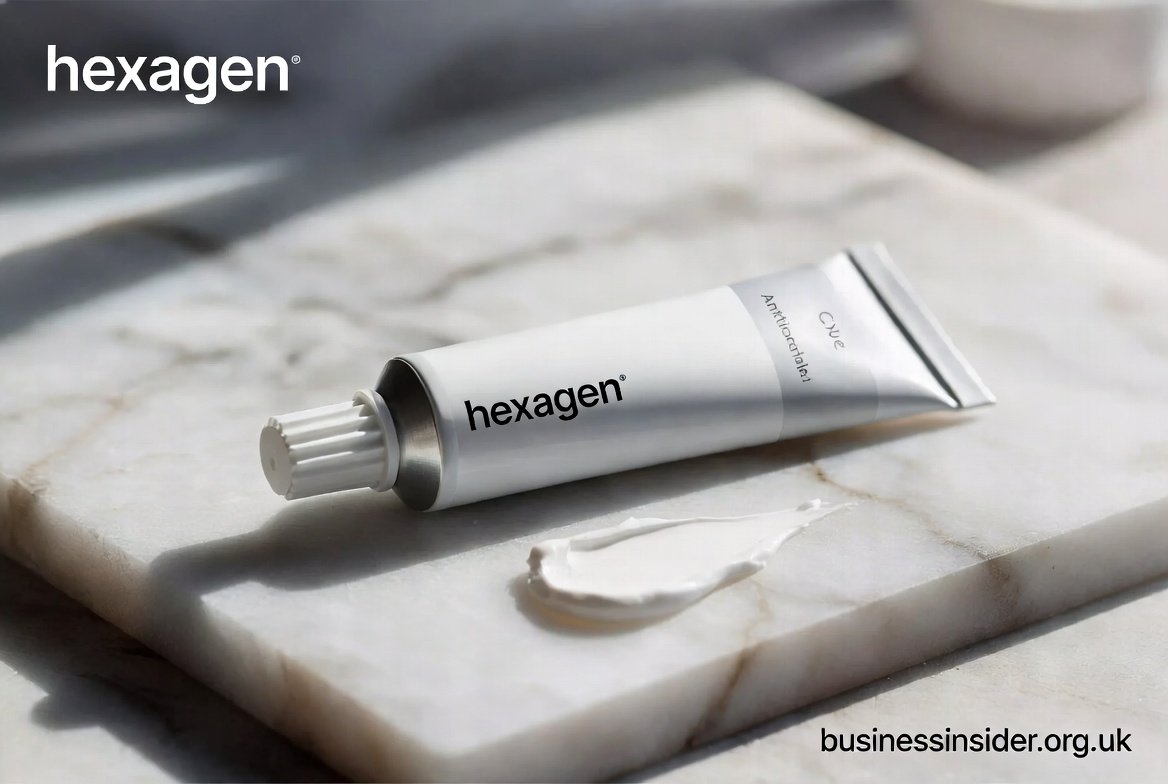
You might feel frustrated when a wound takes longer to heal than expected. Many people in the United States face this challenge every day. That is where Hexagen Antimicrobial can play a helpful role. This petrolatum-based topical dressing supports the management of acute and chronic wounds under the care of a healthcare professional.
Doctors often turn to it for first and second degree burns, venous stasis ulcers, diabetic ulcers, and other common skin injuries. The formula creates a moist protective layer that stays gentle on the skin for most users. At the same time it helps keep surface bacteria in check.
You apply a thin layer about the thickness of a nickel and cover it with a secondary dressing. The process stays simple and practical. Of course every wound is different, so your doctor or nurse should always guide the plan.
Understanding the basic facts about this product can make your next conversation with the medical team clearer and more confident. In the sections ahead we will walk through how it works, who it suits, and the important safety points you need to know.
This product helps many people in the United States manage difficult wounds. Today we will walk through the key facts in clear and simple language so you can understand it better.
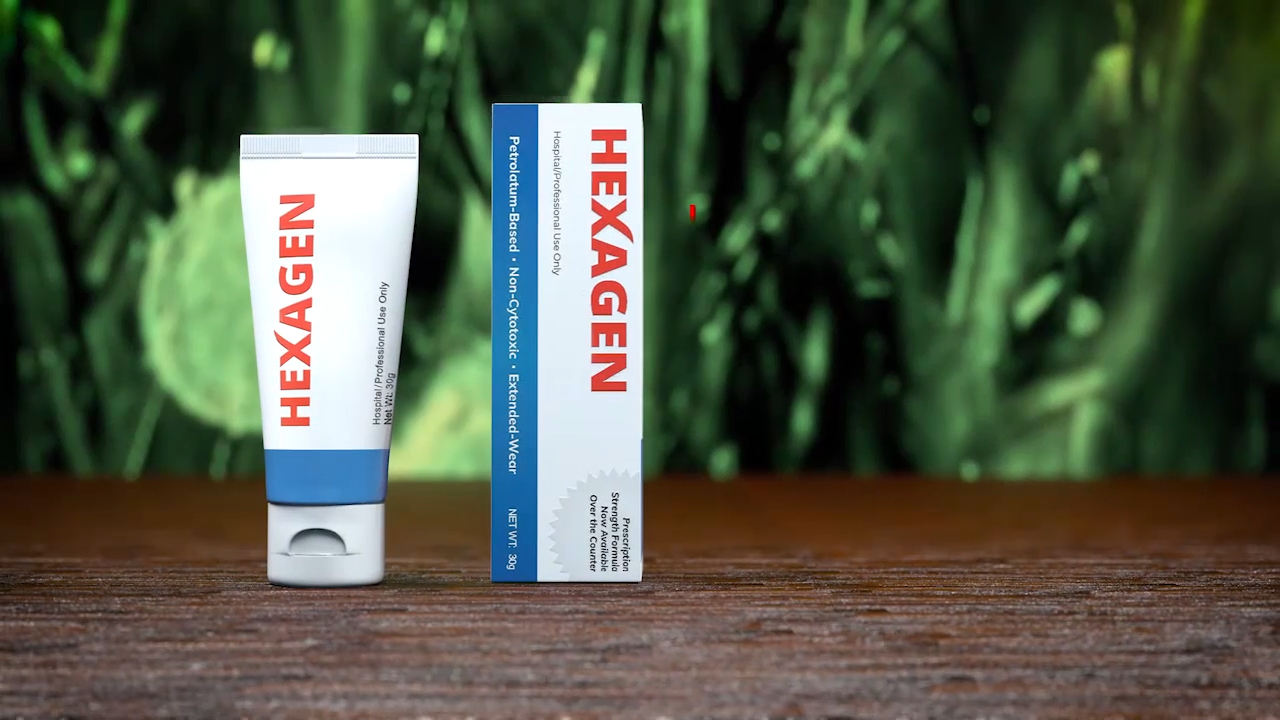
Hexagen Antimicrobial is a petrolatum-based topical dressing. Doctors often choose it for acute and chronic wounds. It creates a moist environment that supports healing while offering antimicrobial protection. The formula stays gentle on the skin for most users when applied correctly.
How Hexagen Antimicrobial Works
Hexagen Antimicrobial forms a soft protective layer over the wound. The thick base keeps the area moist and shields it from outside dirt. At the same time the active ingredients help control bacteria on the surface. This dual action supports the body’s natural repair process without drying out the tissue.
Most patients notice the ointment feels smooth and stays in place well under a secondary dressing. It does not sting for the majority of people. The product works best when a healthcare professional guides the overall care plan.
Key Ingredients in Hexagen Antimicrobial
The main base is petrolatum mixed with purified water. Two key antimicrobial agents sit inside that base. The first is Polyhexamethylene Biguanide (PHMB). The second is a very small amount of Benzalkonium Chloride. Together they help reduce the risk of surface bacteria while the petrolatum protects the wound bed.
These ingredients stay suspended evenly so the product remains consistent from the first use to the last. The formula contains non-sterile preservatives that keep it stable after the tube opens.
Main Uses and Indications of Hexagen Antimicrobial
Healthcare professionals recommend Hexagen Antimicrobial for several common wound types. It helps with first and second degree burns, venous stasis ulcers, and diabetic ulcers. It also covers partial and full thickness wounds, donor sites, post-surgical incisions, trauma wounds, and simple abrasions.
Many nurses also use it to soften encrusted dressings during changes. This makes removal gentler and less painful for the patient. Always follow the care plan set by your medical team.
Hexagen Antimicrobial for Burns and Wounds
For mild to moderate burns Hexagen Antimicrobial offers a soothing cover. The ointment keeps the damaged skin moist and protected. It can stay in place for up to three days under the right secondary cover. This reduces the number of dressing changes and gives the skin a chance to recover.
In everyday wounds the same gentle action helps. The product does not replace proper cleaning or professional assessment. It simply supports the healing environment once the wound is ready for a topical dressing.
Hexagen Antimicrobial for Diabetic and Venous Ulcers
People living with diabetes or poor circulation often face slow-healing ulcers. Hexagen Antimicrobial appears frequently in these care plans. The moist petrolatum base protects fragile skin while the antimicrobial agents address surface contamination.
Consistent use under medical supervision can help maintain a cleaner wound bed. Results still depend on overall blood sugar control, pressure relief, and other treatments prescribed by the doctor.
How to Apply Hexagen Antimicrobial Correctly
Start by cleaning and drying the wound and the skin around it. Apply a layer of Hexagen Antimicrobial about as thick as a nickel. Cover the area with a suitable secondary dressing. You may leave the dressing in place for up to 72 hours if the site stays clean and dry.
Stop use and contact your healthcare provider if you notice irritation, redness, blistering, or signs of infection. Simple steps like these keep the process safe and effective for most patients.
Important Warnings and Safety Information
Hexagen Antimicrobial is for external use on wounds only. Do not use it as the only treatment for an already infected wound. Never put it in or near the eyes. Avoid large body areas and full-thickness burns. Do not share the tube between patients.
If the primary package looks damaged, throw it away. These rules protect you and keep the product working as intended.
Who Should Not Use Hexagen Antimicrobial
Anyone with a known allergy to petrolatum, Polyhexamethylene Biguanide (PHMB), or Benzalkonium Chloride should avoid this product. Tell your doctor about every allergy before starting any new wound treatment. A different option will likely work better for sensitive individuals.
Storage and Shelf Life of Hexagen Antimicrobial
Keep the tube at room temperature. Protect it from extreme heat and freezing. Once you break the seal the product has a 28-day shelf-life after opening. Always check the printed expiration date on the package and discard it after that date.
Proper storage keeps the ointment stable and effective for the full period of use.
Information for Healthcare Professionals
Clinicians appreciate the simple application and the broad range of approved wound types. The formula fits well into many standard wound care protocols. Documentation of patient response remains important, especially with complex cases involving diabetic ulcers or venous stasis ulcers.
Company Background of Turn Therapeutics and Hexagen
Turn Therapeutics developed Hexagen Antimicrobial after the founder created a formula to treat his own stubborn wounds. The company focused on a gentle yet effective petrolatum-based approach. Over time the product gained clearances and entered clinical use across the United States.
FDA Clearance and Regulatory Status
Hexagen Antimicrobial holds FDA 510(k) clearances as a medical device for wound management. These clearances confirm that the product meets safety and performance standards for its intended uses. It remains available by prescription or under professional direction in most settings.
Benefits of Hexagen Antimicrobial in Wound Care
Patients and caregivers often value the ease of use and the moist healing environment. The ointment helps soften hard dressings and stays comfortable for many hours. When used as directed it supports cleaner wound beds and fewer dressing changes in suitable cases.
Hexagen Antimicrobial in Special Cases Like Necrotizing Fasciitis
A few published case reports describe Hexagen Antimicrobial as an added topical option during treatment of severe infections such as necrotizing fasciitis. These situations always require aggressive surgical care and systemic antibiotics. The topical product serves only as a supportive measure under strict medical control.
Potential Future Uses in Eczema and Nail Fungus
Early observations and company research explore possible benefits for certain eczema cases and nail fungus. These uses still need further study and proper drug approvals. For now the product remains cleared only for its current wound care indications.
Where to Learn More About Hexagen Antimicrobial
The most reliable details come from the official product insert and your healthcare provider. Ask your doctor or wound care specialist any questions you have. They can confirm whether Hexagen Antimicrobial fits your specific situation and guide you on safe use.
Hexagen Antimicrobial offers a practical option for many people dealing with acute and chronic wounds. When applied under professional care it can support healing in a simple and gentle way. Always partner with your medical team for the best results.
Conclusion:
Hexagen Antimicrobial offers a practical option for many people dealing with stubborn skin injuries. This petrolatum-based topical dressing supports healing when used under professional guidance. It works well for a range of acute and chronic wounds and helps create a moist protected environment.
You now know the key facts about its ingredients, proper application, safety rules, and storage needs. Remember that every wound is unique. Always talk with your doctor or nurse before starting any new treatment. They can confirm whether this product fits your specific situation.
Good wound care starts with clear information and a trusted medical team. Use what you learned here to ask better questions at your next visit. Stay consistent with the plan your healthcare provider sets. With the right support, most wounds improve steadily over time. Take care of yourself and reach out for help whenever you need it.